Oxytocin – The Neuropeptide of Connection, Trust, and Resilience
Oxytocin is a naturally occurring neuropeptide and hormone synthesized in the hypothalamus and released by the posterior pituitary gland. Extensively studied as the “bonding hormone” or “cuddle chemical,” oxytocin plays a foundational role in human social behavior, emotional regulation, and interpersonal connection. In research settings, it is actively investigated for its ability to lower stress markers, build interpersonal trust, enhance intimacy, and modulate systemic pain pathways.
Thank you for reading this post, don't forget to subscribe!How It Works
Oxytocin operates as both a peripheral hormone and a central neurotransmitter, binding to specific oxytocin receptors throughout the brain and body:
-
Social Cognition Pathways: Centrally, it binds to receptors in regions governing social cognition and emotional processing, facilitating deeper empathy, facial expression recognition, and positive communication.
-
Stress Modulation: It directly impacts the Hypothalamus-Pituitary-Adrenal (HPA) axis, downregulating cortisol production to foster a physiological sense of calm, safety, and emotional security.
-
Neurotransmitter Interaction: It influences neural reward systems associated with dopamine and serotonin, amplifying feelings of pleasure and relationship satisfaction.
Dual Routes of Administration: Subcutaneous vs. Intranasal
Because oxytocin has distinct peripheral and central mechanisms, researchers carefully select the route of administration based on their target outcomes:
-
Intranasal (Nasal Spray) Delivery:
-
Mechanism: The nasal cavity provides a non-invasive pathway that bypasses the tight defenses of the blood-brain barrier. Oxytocin travels directly to the brain via olfactory and trigeminal nerve transport.
-
Research Focus: Highly preferred for studying behavioral, cognitive, and emotional effects. Intranasal administration yields significantly higher concentrations in the cerebrospinal fluid (CSF) compared to peripheral delivery, directly influencing social behavior.
-
Pharmacokinetics: Central brain levels rise rapidly and can remain elevated for several hours.
-
-
Subcutaneous (Injectable) Delivery:
-
Mechanism: Administered directly into the fatty tissue, leading to a swift increase in peripheral plasma/systemic blood concentration.
-
Research Focus: Primarily utilized when investigating peripheral actions, metabolic interactions, uterine/smooth muscle response, or specific physiological healing protocols.
-
Pharmacokinetics: Systemic absorption is rapid, but plasma half-life is quite short compared to the sustained central concentrations achieved via the nasal route.
-
What to Expect
In research protocols, oxytocin administration commonly yields several clear benchmarks:
-
Enhanced Emotional Openness: Reductions in social anxiety, an increase in interpersonal vulnerability, and improved communication cues.
-
Calm Under Stress: A dampened physical and emotional response to stressful triggers or social friction.
-
Intimacy & Bonding Support: Increased romantic or social satisfaction by engaging brain reward pathways during proximity.
-
Analgesic Properties: Emerging data indicates oxytocin acts on pain signaling pathways, helping to reduce sensitivity to acute physical discomfort.
Side Effects & Management
While oxytocin is a native biomolecule and generally well-tolerated, managing the rate and volume of delivery avoids potential imbalances:
-
Mild Nausea or Flushing: Can occur briefly post-administration, particularly if systemic plasma levels spike too quickly from an injectable form. Management: Titrate doses conservatively and allow the system to acclimate.
-
Altered Emotional Perception: In rare instances, excessive doses can temporarily skew emotional judgment or hyper-sensitize behavioral responses. Management: Adhere strictly to low-dose titration windows.
-
Water Retention: Large systemic amounts can exhibit mild anti-diuretic properties. Management: Ensure steady baseline hydration without over-consuming excessive fluids during peak cycles.
Dosage & Protocol (For Research Purposes)
Dosing structures vary dramatically depending on the chosen delivery method.
-
Intranasal Protocol: Standard human research settings frequently utilize 24 IU to 48 IU daily (often split into morning and evening sessions, or administered 30–60 minutes prior to targeted interactions). Vials are typically reconstituted into a metered nasal spray bottle.
-
Subcutaneous Protocol: Injectable dosages are measured precisely based on systemic saturation goals and calculated via volume after sterile reconstitution.
-
Storage: Keep the lyophilized powder in a cool, dark place. Once reconstituted (either as an injection solution or a nasal spray), it should be refrigerated or stored within tight temperature controls to prevent peptide degradation and preserve potency.
Formulation Breakdown
-
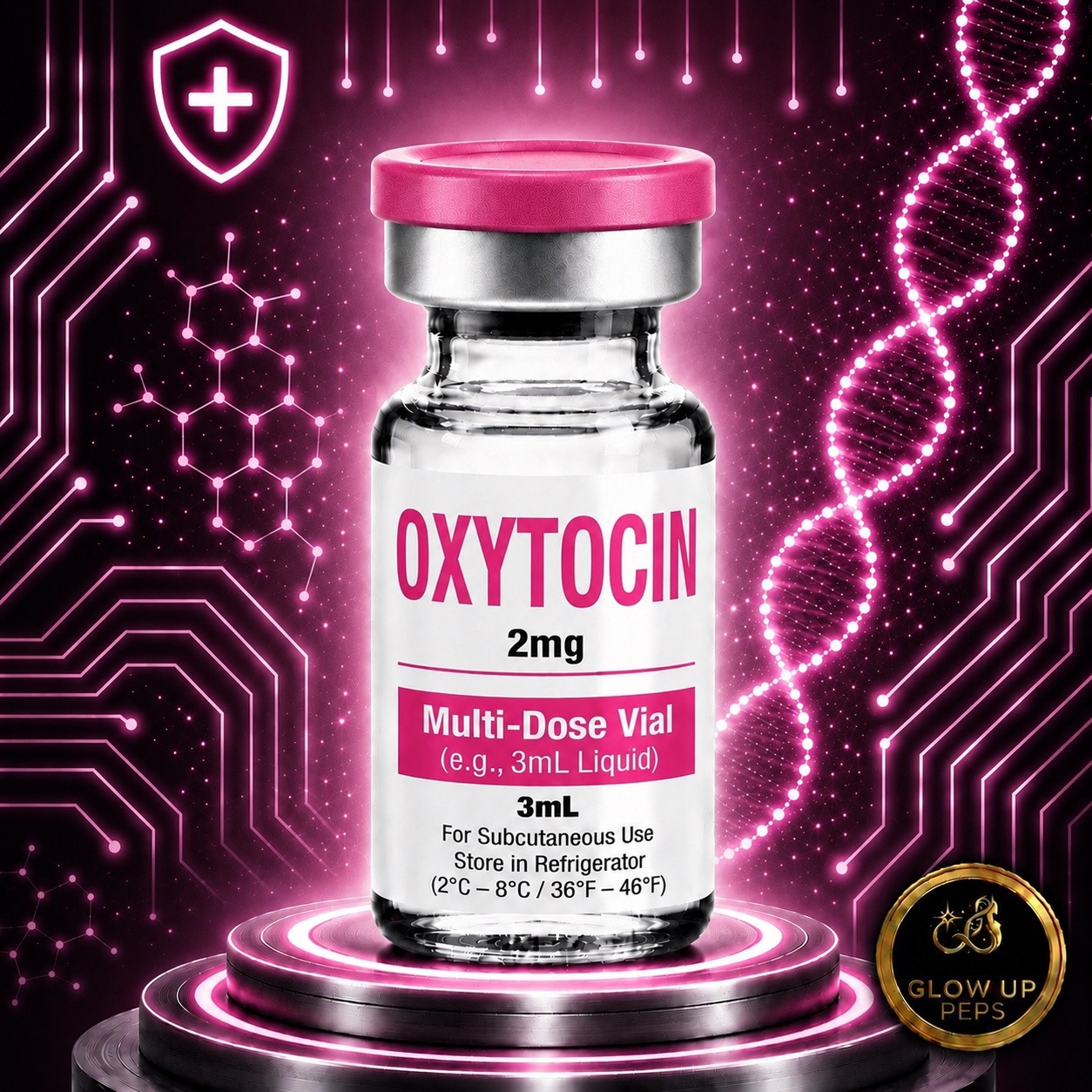
Total Content: 2mg per vial.
-
Form: Lyophilized powder requiring reconstitution with bacteriostatic water or a designated nasal spray saline solution.
-
Purity: Laboratory-grade purity for accurate research tracking.
Disclaimer
For research purposes only. This product is not intended to diagnose, treat, cure, or prevent any disease. Always consult with a qualified healthcare professional before beginning any peptide protocol. Not for human consumption.